


Post Covid Property Management
We are now, more than two years after the fact, fully established in “post-pandemic” working practices. Across the globe, individuals and businesses have pivoted to a newly created working landscape and within the property management sphere, we have had to also adapt and change. Working practices have formed around satellite offices, distance working and increasing public awareness of health and safety. Resilience and evolution have been key moving into this new phase but we now look to move forward to greater sustainability, space management, enhanced digitalisation and increased smart tech reliance.
Making office space more sustainable is not only good for the environment, but also for the health and satisfaction of tenants. Reducing carbon emissions is a crucial factor in creating a sustainable workplace and both clients and tenants are more aware than ever of the importance of investing in and maintaining sustainable practices within the buildings and rental properties. An increasing number of commercial property owners are now factoring in the environmental and social impacts – both positive and negative – resulting from their investment decisions and daily operations. Current trends dictate that, at present certainly, people are no longer willing to sacrifice the environment for their day-to-day comforts and building energy audits are becoming the norm. Clean products, clean construction, low-energy systems and energy-efficient tools will be the benchmark moving forward.
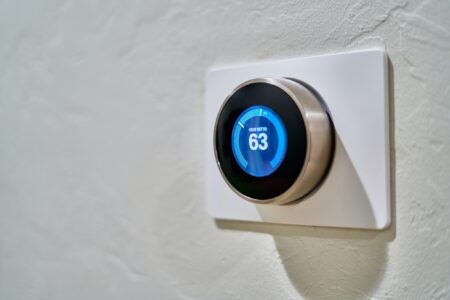
This in turn leads to utilising more technology for reporting and operational systems which maximise building performance and sustainability remotely. Certain building assets will undoubtedly need replacement to have a fighting chance at a passable carbon footprint. HVAC units and window technologies, insulation strategies, motion-sensor lights with automatic turn off are all well documented clean investments. Larger projects, like switching to solar or geothermal energy sources, are being considered. Green roofs can help trap heat and lessen the load on other energy sources. Smaller steps, such as smart meters can keep owners and facility management professionals aware of and able to manage rates of energy consumption.
Equally spending time investing in digital communication and taking time to assess tenant needs and communicate effectively has taken a leading spot on the priority list. Integrated apps which allow for building services, group communication and ease of reporting are becoming more popular and even just using a building WhatsApp group to have a communal rapport with tenant groups is more common than ever before.

It could be said that a huge growth in e-commerce has seen an equally huge impact in retail property and in bricks and mortar investments over the last two years, however current behaviour still highlights the need for so-called “omni-channel” retail. This allows commercial property owners and retail tenants to expand and offer a variety of purchasing platforms. Online retail, while leading in behavioural trends, also works to support and sustain bricks and mortar properties so retail property management remains as essential as it was pre-2020.
At Redpath Bruce, we continue to change, evolve and develop with demand as we always have. For our clients and just as importantly, within our own organisation. As an employer, we are learning to balance remote offices, a clear and supportive working culture that benefits our staff and promotes healthy practices, plus ensuring we pivot to maintain the same standard of excellence expected at Redpath Bruce in this ever-changing new post-pandemic mindset.
Times have always changed, and at Redpath Bruce we have always evolved with them.