


Who Is Responsible for Repairs in a Scottish Tenement?
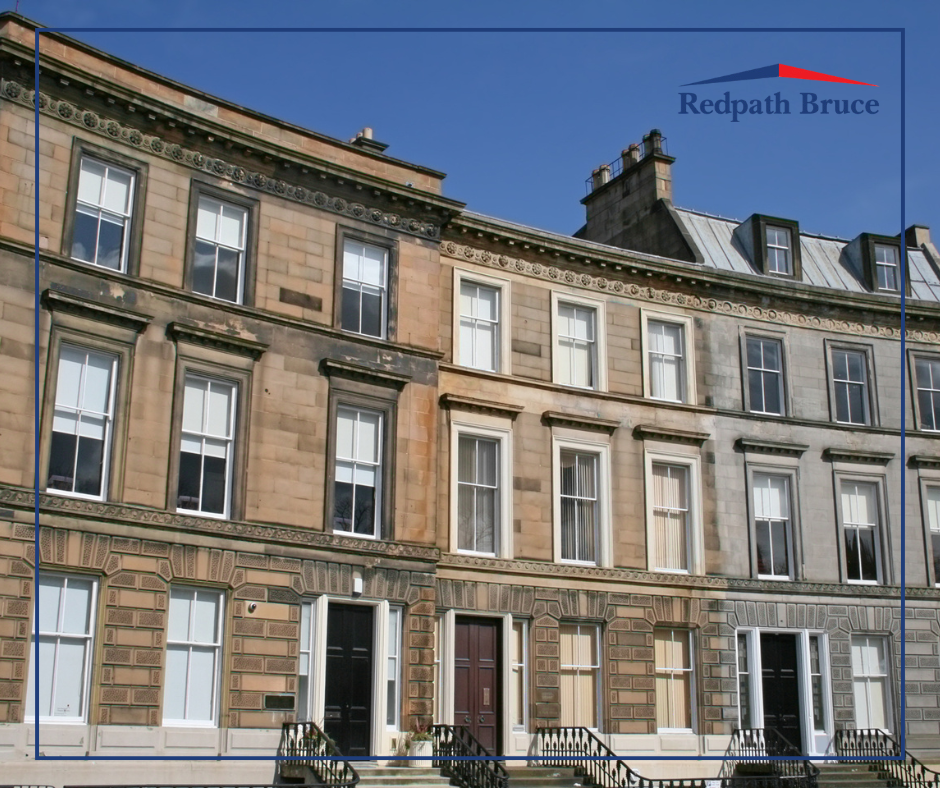
If you own a flat in a Scottish tenement, apartment block or shared residential building, chances are you’ve asked this question at some point:
“Who actually pays for this repair?”
Whether it’s a leaking roof, damaged guttering, cracked render or a broken entry door, shared repairs are one of the biggest causes of confusion – and conflict – between neighbours in Scotland.
The challenge is that responsibility isn’t always straightforward. In many cases, it depends on your title deeds, the nature of the repair and whether the issue affects communal areas or individual properties.
Here’s what Scottish property owners need to know.
Understanding Communal Responsibility
In most Scottish tenements, owners are jointly responsible for maintaining shared parts of the building.
This commonly includes:
- Roofs
• Gutters and downpipes
• External walls
• Close stairwells
• Foundations
• Shared lighting
• Entrance doors
• Back courts or communal grounds
In simple terms, if the repair affects multiple owners or the structure of the building itself, responsibility is usually shared.
What Do the Title Deeds Say?
The first place to check is always the property title deeds.
These documents often outline:
• Which parts of the building each owner is responsible for
• How costs should be divided
• Voting requirements for repairs
• Rules around maintenance and access
However, older tenement deeds can be inconsistent, vague or even silent on certain issues.
That’s where the Tenements (Scotland) Act 2004 often comes into play.
What Happens If the Deeds Don’t Make It Clear?
If responsibility isn’t clearly defined in the title deeds, the Tenement Management Scheme (TMS) can apply by default.
Under the TMS:
• Shared repairs are generally divided equally between owners
• A majority decision can often approve repairs
• Emergency repairs can proceed without prior agreement in some circumstances
This legislation was designed to make decision-making simpler in Scottish tenement properties where deeds are unclear or outdated.
Common Areas of Confusion
Roof Repairs
Many top floor owners assume they are solely responsible for the roof because it sits above their flat.
In reality, roofs are usually considered a shared structural element, meaning costs are commonly split amongst all owners.
Damp and Water Ingress
Responsibility depends on the source of the issue.
If damp is caused by a communal defect – such as failed guttering or roof damage – repairs are typically shared.
If the issue is internal to one flat, responsibility may sit with the individual owner.
What Happens If Someone Refuses to Pay?
Unfortunately, this is one of the most common challenges in tenement management.
Delays in approving or funding repairs can quickly escalate damage and increase overall costs.
Professional property factors can help:
• Coordinate quotes and contractors
• Manage communication between owners
• Ensure legal processes are followed
• Arrange emergency works where required
• Recover outstanding payments where appropriate
Having structured management in place often prevents small issues becoming major disputes.
Preventative Maintenance Matters
Many expensive communal repairs begin as small maintenance issues that go unchecked.
Regular inspections and planned maintenance can help:
• Reduce long-term costs
• Protect property values
• Prevent emergency repairs
• Improve resident safety
• Extend the life of the building
For older Scottish tenements in particular, proactive management is essential.
Final Thoughts
Scottish tenement repair responsibilities can be complex – especially where older title deeds and multiple owners are involved.
Understanding who is responsible, how decisions are made and what legal framework applies is key to protecting both your property and your finances.
At Redpath Bruce Property Management, we work with residential owners across Scotland to help manage communal repairs efficiently, transparently and professionally.